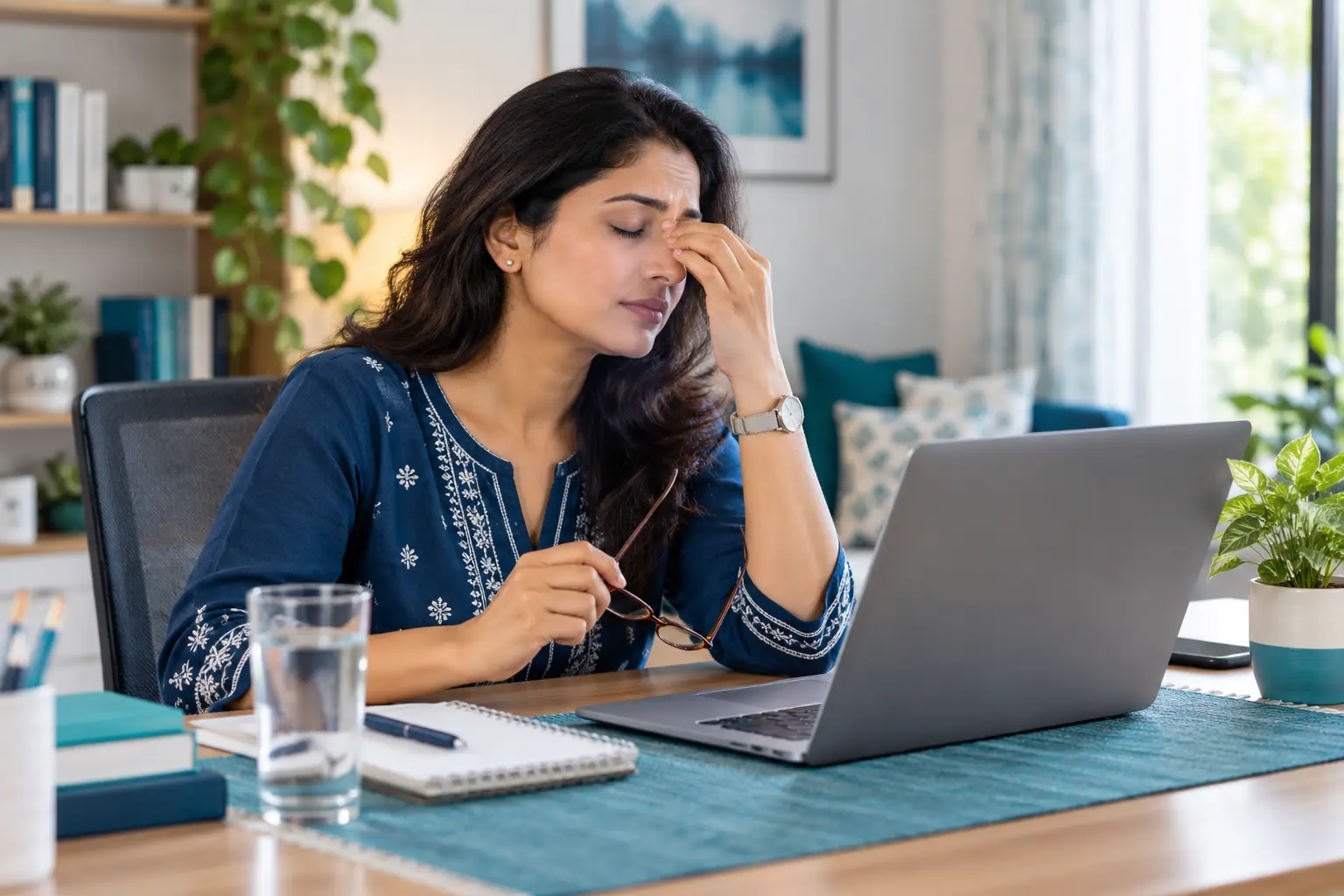
Itchy, watery eyes are often linked to allergy, particularly when both eyes react after exposure to dust, pollen, mould, pets or cosmetics. Sneezing or a runny nose may occur too.
However, not every red or watery eye is allergic. Dry eye, infection, irritation, a contact-lens problem and other eye conditions can look similar. An eye examination is important when symptoms are severe, affect vision, involve significant pain or do not improve.
What Is an Eye Allergy?
The clear tissue covering the white part of the eye and lining the inside of the eyelids is called the conjunctiva. Allergic conjunctivitis occurs when this tissue reacts to an allergen—a usually harmless substance that the immune system treats as a threat.
The reaction releases inflammatory chemicals that make the eyes itch, water and look red or puffy. It often affects both eyes and is not contagious, unlike some infectious forms of conjunctivitis.
Symptoms alone do not always reveal the cause, so avoid assuming that every red eye is “just allergy.”
Common Symptoms of Eye Allergy
Typical symptoms may include:
- Itching, often the most noticeable complaint
- Watery or teary eyes
- Redness of the white part of the eyes
- Mild burning or a gritty feeling
- Puffy eyelids
- Stringy or watery discharge
- Symptoms in both eyes
- Sneezing, nasal blockage or a runny nose at the same time
Thick discharge, marked pain, strong light sensitivity or reduced vision are less typical of simple allergy and deserve medical advice.
What Can Trigger Itchy, Watery Eyes?
Eye-allergy symptoms can be seasonal or present throughout the year. Common triggers include:
- Pollen from trees, grasses, weeds and flowering plants
- House dust and dust mites
- Mould spores
- Animal dander
- Air pollution or smoke, which may irritate eyes even without a true allergy
- Cosmetics, eye makeup or skincare products used near the eyes
- Contact lenses or lens-care solutions in some people
People with hay fever, asthma or eczema may be more likely to develop it. Noting when symptoms occur may reveal a pattern, but cannot confirm the diagnosis.
Safe Steps That May Help
For mild symptoms without warning signs, these practical steps may reduce exposure and soothe the eyes:
- Do not rub your eyes. Rubbing can worsen inflammation and may injure the eye surface.
- Use a cool, clean compress. Rest it gently over closed eyelids for a few minutes. Do not share the cloth.
- Wash your face and hands after outdoor exposure. Changing dusty clothes may also reduce allergens brought indoors.
- Reduce indoor dust. Use a damp cloth rather than stirring dust into the air.
- Pause contact-lens wear if the eyes are red or uncomfortable. Use spectacles and seek advice about when it is safe to restart lenses.
- Avoid the suspected cosmetic or product. Do not reuse eye makeup that seems linked to a reaction.
Lubricating drops may help rinse allergens and ease irritation, but they do not treat every cause. Ask an eye-care professional or pharmacist which product is suitable, especially for children, pregnancy or contact-lens users.
Do not put rose water, honey, kajal, herbal liquids or other non-sterile substances into the eyes. Do not start antibiotic or steroid eye drops without an examination. Antibiotics do not treat allergy, and unsupervised steroid drops can raise eye pressure, encourage infection or cause other serious complications.
When Should You Book an Eye Examination?
Arrange an examination if symptoms keep returning, persist despite avoiding suspected triggers, disturb daily life or affect contact-lens comfort. Seek advice when one eye is repeatedly affected or the cause is unclear.
Children who repeatedly rub their eyes, blink often or struggle to keep their eyes open should be assessed rather than treated repeatedly at home.
Seek Prompt or Emergency Eye Care for These Signs
Simple eye allergy usually causes itching and watering rather than severe pain or loss of vision. Seek prompt ophthalmic or emergency medical care if you have:
- Severe eye pain or a very red, painful eye
- Sensitivity to light
- Blurred, reduced or distorted vision that does not clear after blinking
- A red or painful eye while wearing contact lenses
- A chemical splash, eye injury or suspected foreign body
- Marked swelling around the eye, fever or difficulty opening the eye
- New flashes, many floaters or a curtain-like shadow in vision
- Sudden loss of vision
After a chemical splash, start rinsing the eye immediately with plenty of clean running water and seek emergency medical care. Do not wait for a routine appointment.
How Does an Ophthalmologist Assess Itchy Eyes?
The ophthalmologist will ask about timing, affected eyes, possible triggers, contact-lens use, medicines and allergy history.
Vision is checked, and the eyelids, conjunctiva, cornea and tear film may be examined with a slit lamp. Eye pressure, pupil dilation or allergy testing may be considered when appropriate.
What Treatment May Be Considered?
Treatment depends on the cause and severity. An ophthalmologist may discuss reducing allergen exposure, lubricating drops, anti-allergy eye drops or treatment for related eyelid, dry-eye or nasal-allergy problems.
Some anti-allergy drops act quickly, while others are used regularly during an allergy season. Steroid drops may occasionally be considered for severe inflammation, but only with professional supervision.
Infection, corneal disease and contact-lens complications require different management, so persistent or painful red eyes should not be self-diagnosed.
Frequently Asked Questions
1. Is allergic conjunctivitis contagious?
No. Allergic conjunctivitis is caused by an immune reaction and does not spread between people. Viral and bacterial conjunctivitis can be contagious and may cause similar redness.
2. Why do my eyes itch more during cleaning or seasonal change?
Cleaning can disturb dust and dust mites, while seasonal changes may alter pollen or mould exposure. Irritating fumes can also cause watering without a true allergy.
3. Can I wear contact lenses during an eye-allergy flare?
It is usually safer to stop wearing lenses while the eyes are red, itchy or uncomfortable. Seek professional advice before restarting, particularly if pain or blurred vision occurs.
4. Will antibiotic eye drops help an eye allergy?
No. Antibiotics treat certain bacterial infections, not allergies or viruses. Using the wrong drop may delay correct diagnosis, and medicated drops should not be shared.
Arrange an Eye Examination in Saharanpur
If itchy, watery or red eyes keep returning—or you are unsure whether the cause is allergy, infection or another eye problem—you may contact Eye Point Hospital, Saharanpur, to arrange an eye examination with Dr. Safeena Tabassum, MBBS, MS (AMU), Eye Surgeon, Gold Medalist, with 15 years in healthcare.
Address: 39, Ayodhyapuram, Mahipura, Near Prankur Hospital, Dehradun Road, Saharanpur, U.P. 247001
Phone and WhatsApp: +91 79762 01232
Consultation hours: Monday–Wednesday, 9:00 AM–5:00 PM; Thursday, 2:00 PM–5:00 PM; Friday–Saturday, 9:00 AM–5:00 PM; Sunday closed.
Please confirm appointment availability before visiting. Severe pain, sudden vision loss, chemical injury or rapidly worsening symptoms require immediate ophthalmic or emergency medical care rather than a routine appointment.
This article provides general information and does not replace an individual eye examination or medical advice.